
Surface sealing and water-repellent treatment
Surface sealing and water-repellent treatment for stone furniture, panels and project components. Discuss the finish and treatment suitable for your application.
A stone impregnating treatment is selected to improve resistance to liquid absorption and staining for the chosen stone and finish. Surface treatment and the waterproofing of joints, backing and the installed assembly are separate details. For marble care, use a suitable neutral cleaner and avoid acidic cleaners; agree the treatment and care instructions for the actual material.
Ordinary aluminum honeycomb backing is opaque. A backlit stone design needs a light-transmitting stone and a compatible backing and lighting arrangement. Identify whether the project needs a lightweight opaque composite or a translucent assembly before choosing the panel construction.
Compare finished panels of the same area and intended use. Record stone type, stone facing thickness, backing material, total finished thickness and measured weight per square metre. Include edge returns and attachment details in the drawing. A weight-reduction percentage from another supplier describes that supplier’s stated construction, not every honeycomb panel.
Review the selected stone in daylight and with the proposed lighting. Record the sample thickness, backing, light source, spacing or cavity, and viewing conditions. Check visible LED points, shadows at joints and edges, colour and vein appearance. Include access to lighting components in the installation plan before approving the panel layout.
Show finished dimensions and units, panel numbering and layout, stone and backing, total thickness, edges and corners, cut-outs, joint positions, support and fixing interfaces. State the intended location and exposure. Agree the sample and drawing revision, included fabrication work and packing before production.
STONELOFT supplies custom stone furniture, basins, panels and project components. Discuss cutting, shaping, bonding, thickness control, polishing and composite construction with our Yunfu team.
Surface sealing and water-repellent treatment for stone furniture, panels and project components. Discuss the finish and treatment suitable for your application.
Aluminium honeycomb, glass and tile composite-panel fabrication, with stone faces, backing structures, edges and fixing details tailored to your drawing and application.
Thin-stone processing and backlit sample development for decorative panels and project components. Explore material, veining, lighting and structure options with our team.
Choose the stone face, core, backing and edge as one agreed build-up. The factory catalogue includes aluminium honeycomb, glass and tile composite options; identify the selected sample construction in the drawing.
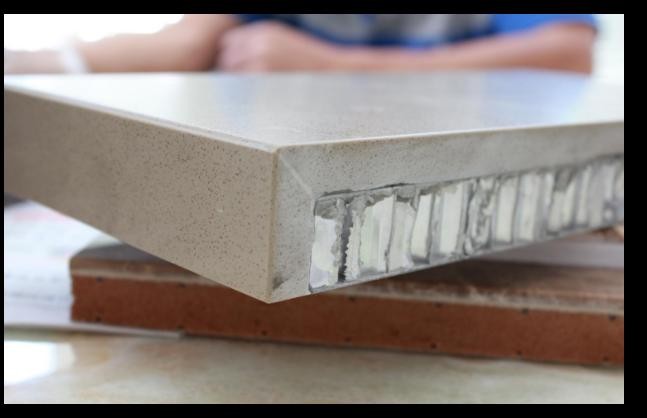
E-HC-01 shows a composite-panel edge from catalogue page 4. E-HC-02 shows the face, reverse and exposed honeycomb core of a handled sample. These are separate media references; match each to its factory sample ID when approving the build-up.
Discuss furniture tops and decorative panels with the support spacing, base connections, exposed edges and openings shown on the drawing. For a basin project, distinguish the basin body from the surrounding or supporting composite panels.
Record stone-face thickness, core material and thickness, backing, adhesive, total thickness and tolerance, sample length/width and measured mass. Relate any bond or bending test to that same sample and support arrangement.
Send the drawing revision, stone/slab reference, finished size, quantity, core and backing choice, edge detail, holes, support/fixing layout, packing and destination. Identify which machining and hardware are included.
Compare the same stone face, core material, total thickness, edges, support details and included machining. Use the approved sample reference and drawing revision in both quotations.
Use the product page to define the table or basin geometry. Agree the processing build-up, sample and included supply separately in the quotation.
Develop the selected stone, light-transmitting backing and proposed lighting layout together. Approve the visible effect on a sample before specifying the finished component.
E-BL-01 shows a patterned-stone sample viewed with handheld backlighting. The changing light reveals variations across its veining. It is the visual reference for the proposed sample effect.
Discuss illuminated decorative panels or furniture details with visible area, viewing distance, light-box depth, support, heat management and service access. For basin surrounds, include the wet-area interfaces and separate the basin geometry from the illuminated panel detail.
Record the exact stone/slab and sample ID, thickness at measured points, backing and adhesive, light type/power/colour temperature, spacing and distance from the sample, plus ambient conditions. Keep photographs at the same exposure when comparing effects; use a stated test method for any numerical light-transmission claim.
Send the drawing, visible dimensions, stone/veining reference, quantity, required effect, viewing conditions, light-box depth, fixing and service access, destination and electrical requirements. Confirm whether stone, backing, lighting and installation are included or supplied separately.
Approve the selected-stone sample under the proposed lighting, then confirm thickness, backing, fixing, access and included components against the drawing. Keep the same sample reference in the quotation.
Use the product page to define the table or basin geometry. Agree the processing build-up, sample and included supply separately in the quotation.
Agree the finish and treatment on the selected stone using a sample and defined liquid-contact and cleaning conditions. Keep the treatment specification with the product drawing.
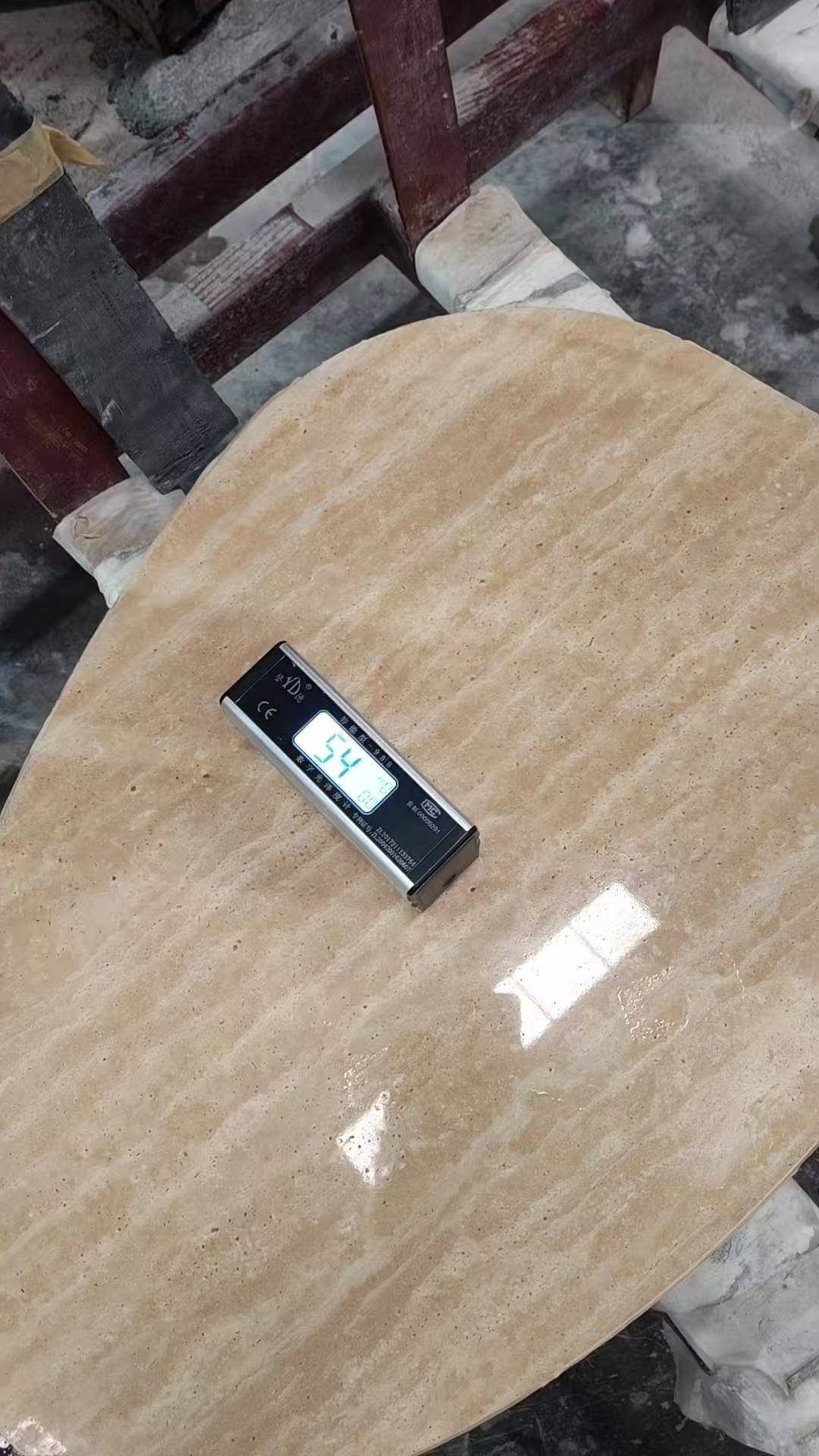
E-SP-01 shows water applied to a polished circular stone sample and then wiped away. Use this sample appearance as a starting point for agreeing the surface finish and the liquid-contact check required for the order. E-SP-02 adds an instrument-view reference; match the device type, reading unit and sample identity to the measurement record.
For tables, identify likely water, coffee or oil contact and normal cleaning. For basins and vanity components, include edges, drain openings, bonded joints and installation interfaces in the surface-treatment scope.
Record stone and sample ID, finish, treatment product, application sides, dosage/coats, curing conditions, liquid and volume, contact time, wiping and observation times. Photograph the same area before and after; record an untreated comparison sample when making a treatment comparison.
Send the table or basin drawing, stone/finish, quantity, intended room and liquid exposure, required appearance, treatment area, sample acceptance conditions, cleaning requirements, packing and destination. Confirm treatment and maintenance instructions in the quotation.
Use the same stone, finish and treatment intended for the order. Agree the liquid, volume, contact duration, cleaning and observation interval, then keep the dated result and matching photographs with the sample ID.
Use the product page to define the table or basin geometry. Agree the processing build-up, sample and included supply separately in the quotation.
Compare the same drawing, build-up and supply scope, then approve a sample that can be traced to the production specification.
For a table top, basin surround or decorative panel, compare three separate scopes: the processed stone component, its supporting or lighting components, and packing plus delivery. Keep material, dimensions, quantity, exposed edges and openings identical when comparing suppliers.
Use the same finished dimensions, stone selection, visible finish, quantity, openings and edge appearance. Then list each structural build-up, actual sample mass, supports, included hardware, packing and delivery scope separately. Agree the drawing and sample before comparing the complete order cost.
Confirm the physical sample, its processing record and the drawing together. A photograph identifies appearance; a measurement record identifies the sample, instrument, units and conditions. Keep approval files with the order so that later batches and replacement pieces can be checked against the same reference.
Identify the stone and sample batch, measured thickness, backing and adhesive, light-source model and arrangement, viewing conditions and the agreed appearance photos. Include the support drawing, openings and access for maintenance. Approve the supply scope for stone, lighting and installation separately.
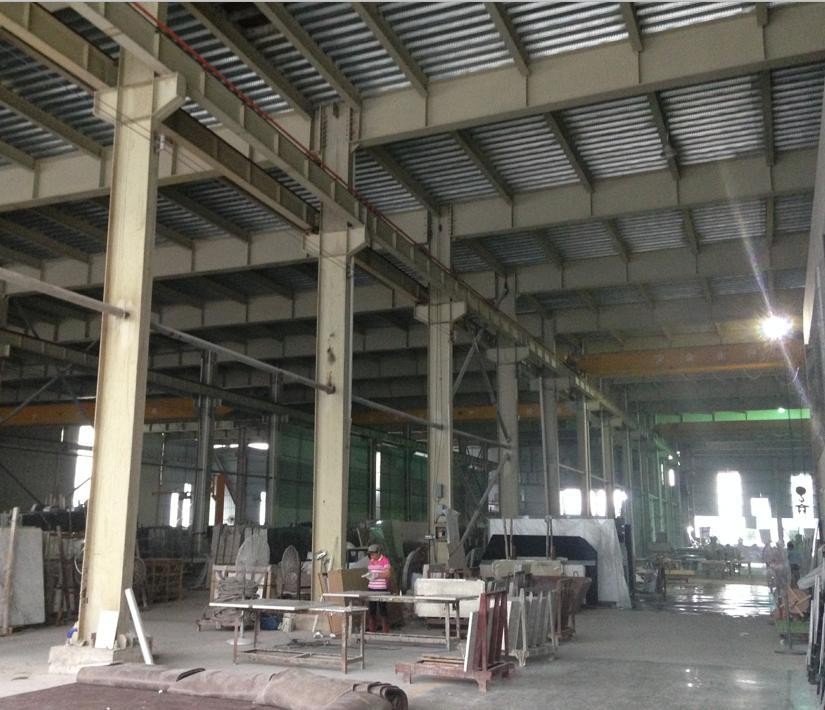
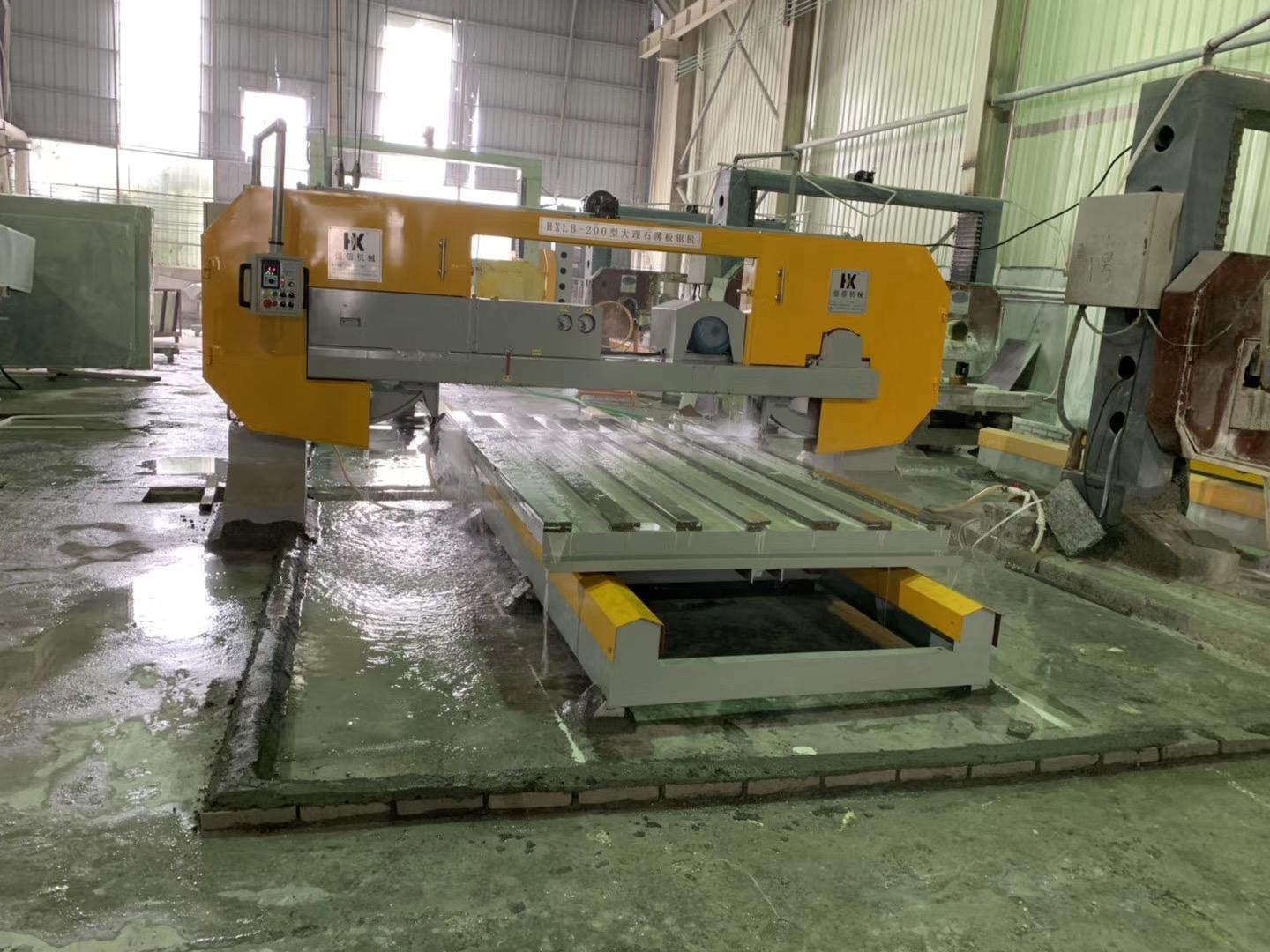
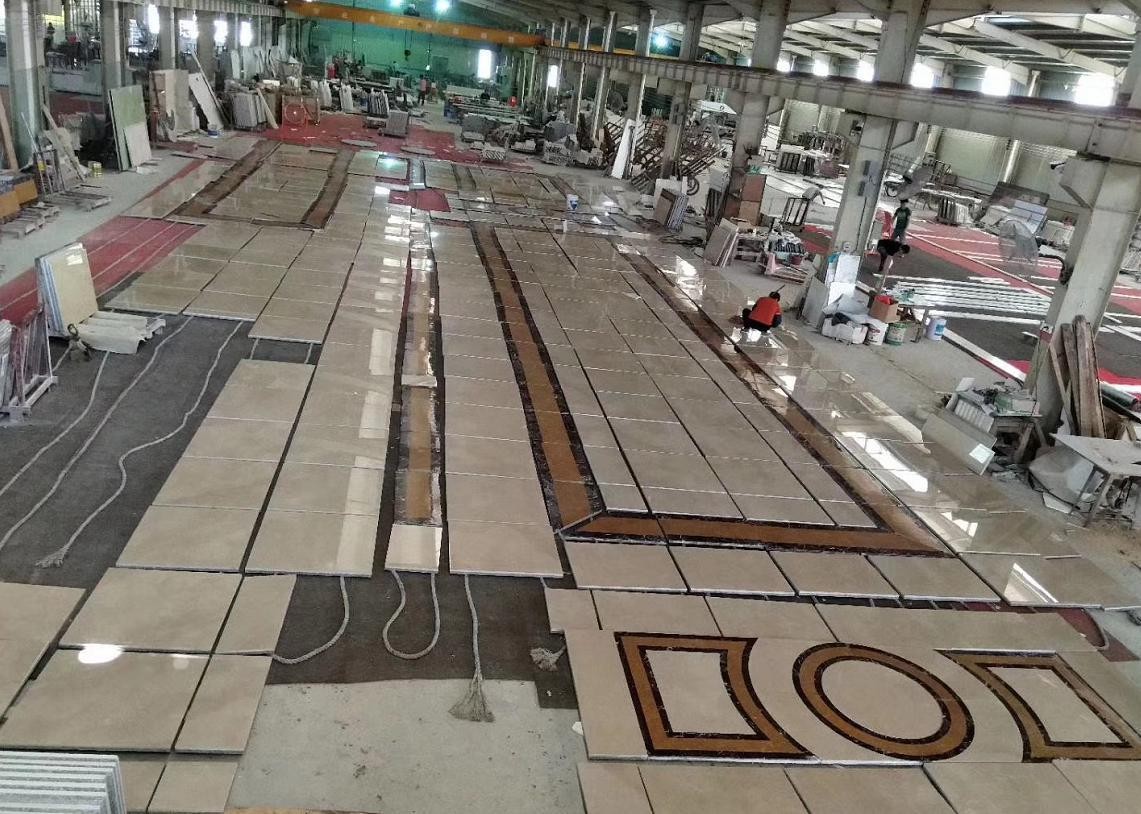
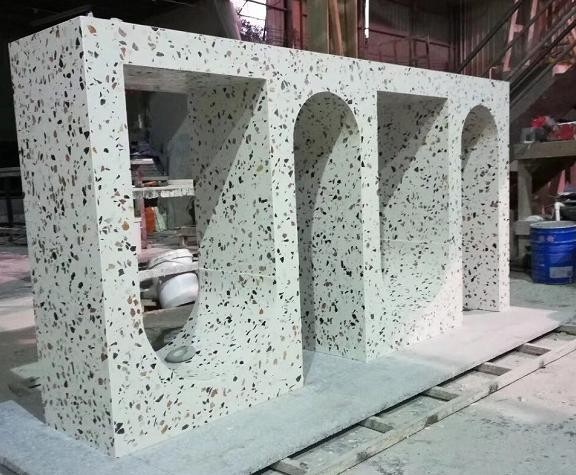
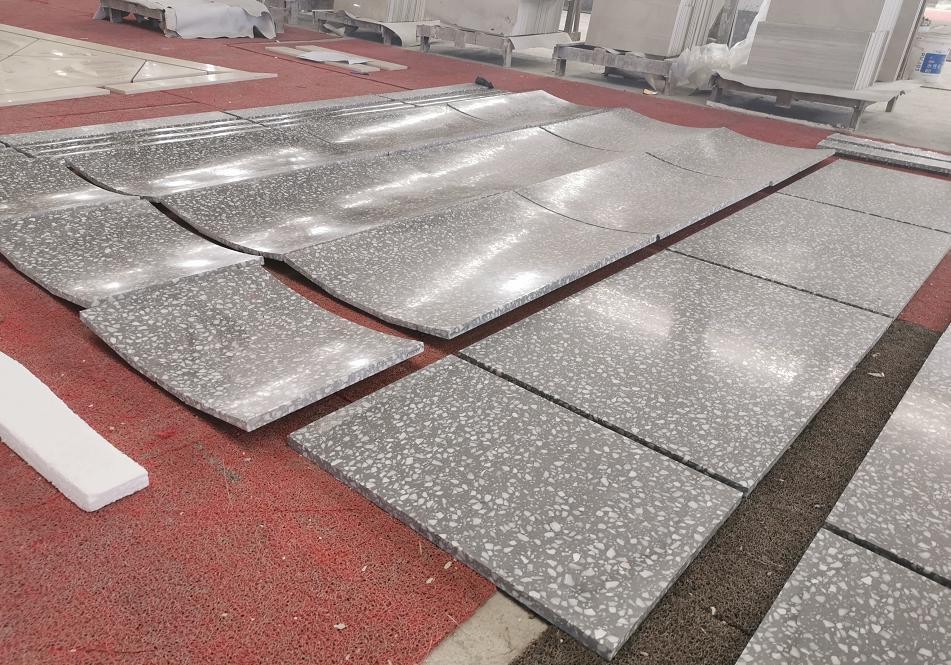
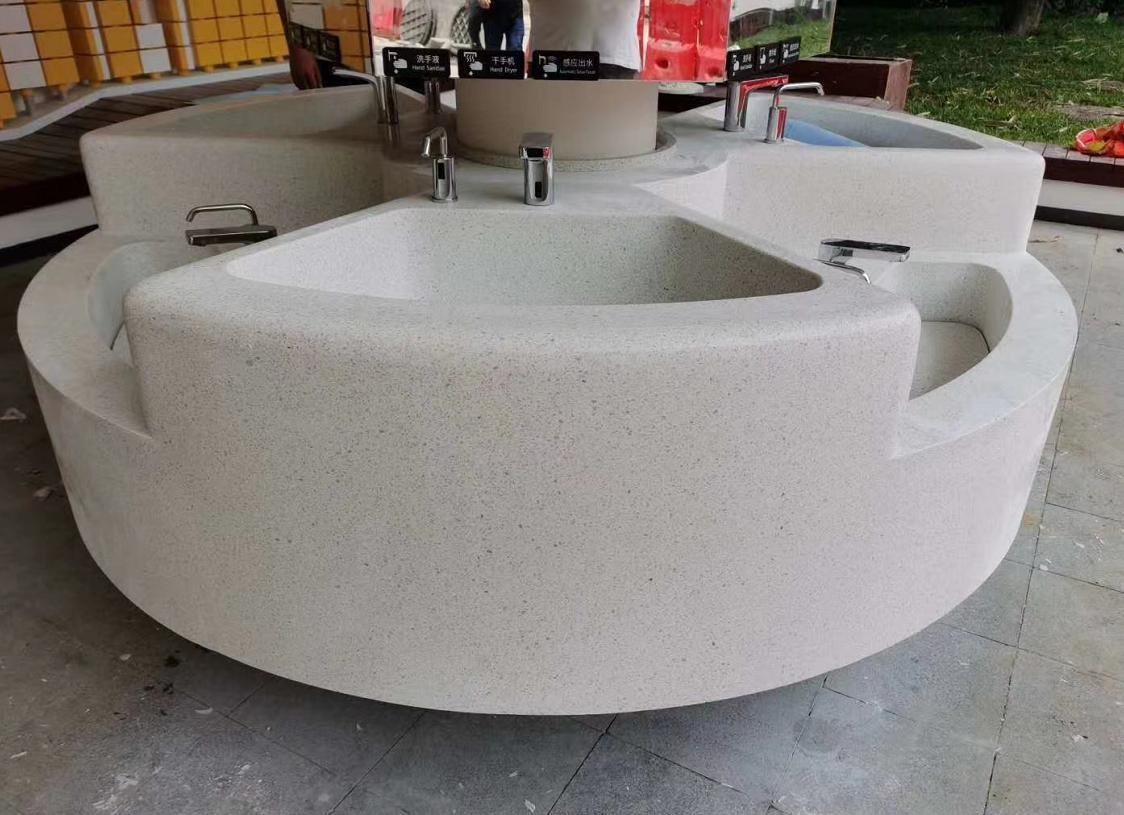
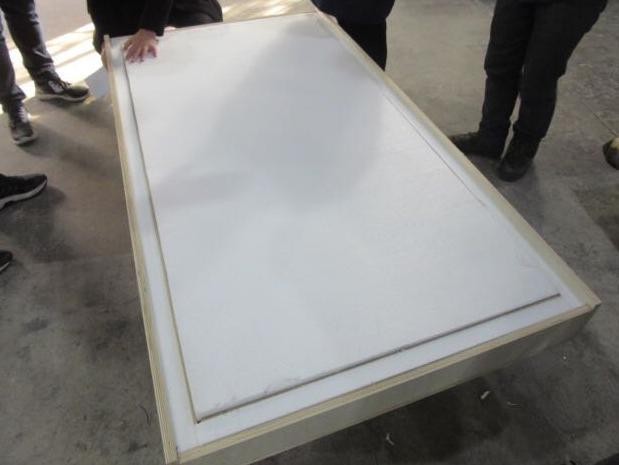
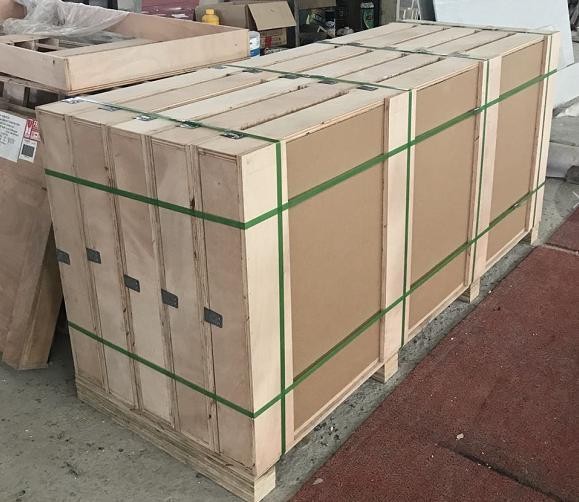
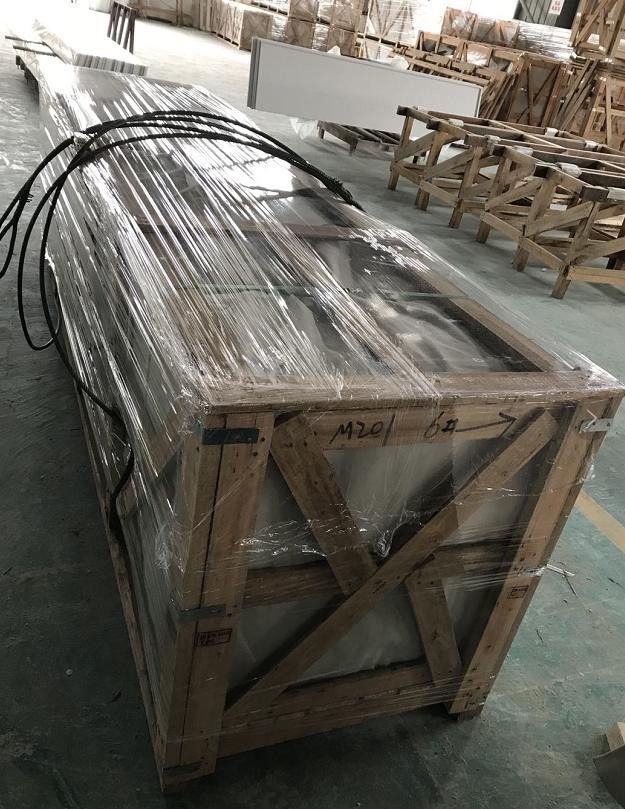
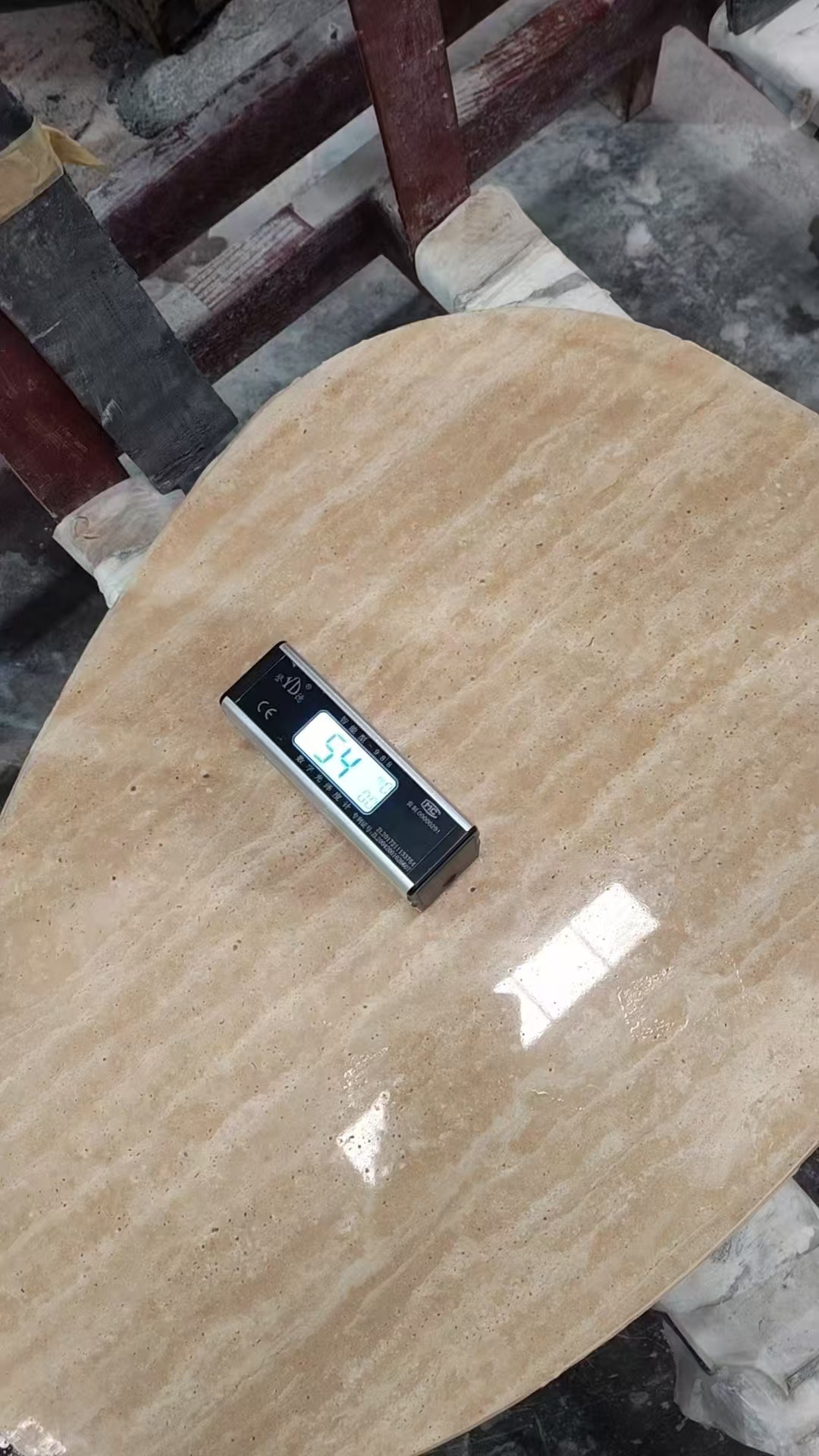
Workshop equipment, processed components, surface inspection and packing examples from our factory materials and actual samples.
Drawing → material and structure → sample approval → fabrication → checking and packing
Send a drawing or reference photo, dimensions and units, quantity, intended use, surface/backing requirements and destination. We will confirm the feasible process, included scope and quotation terms.
Send your reference, dimensions, quantity and lighting idea. Our team will discuss the material, structure and sample arrangement with you.
Stone face and backing, adhesive, thickness, edge treatment, fixing, dimensions, quantity, sample approval, packing and freight scope.
Discuss my processing requirementsView processing capabilities and photosQuotation checklist (English)